Kevin Mbuvi Kioko — better known to millions as Bahati — is one of Kenya’s most successful musicians, songwriters, and entertainers. His rise from struggling in an orphanage to becoming a celebrated artist and public figure is both inspiring and heartfelt. Yet, early in 2026, his life took an unexpected and emotional turn that has sparked national curiosity and debate.
A Childhood Marked by Loss and Hope
Bahati’s backstory is well-known across Kenya, born in 1994 and grew up in a children’s home after losing his mother when he was just seven years old. He grew up in an orphanage in Mathare, Nairobi, he endured hardship but eventually broke into the music scene, releasing hit songs and becoming one of the country’s most beloved artists.
For years, Bahati has publicly spoken about having lost his mother at a young age — including attending her funeral himself — and he has often shared how that experience shaped his life and music.
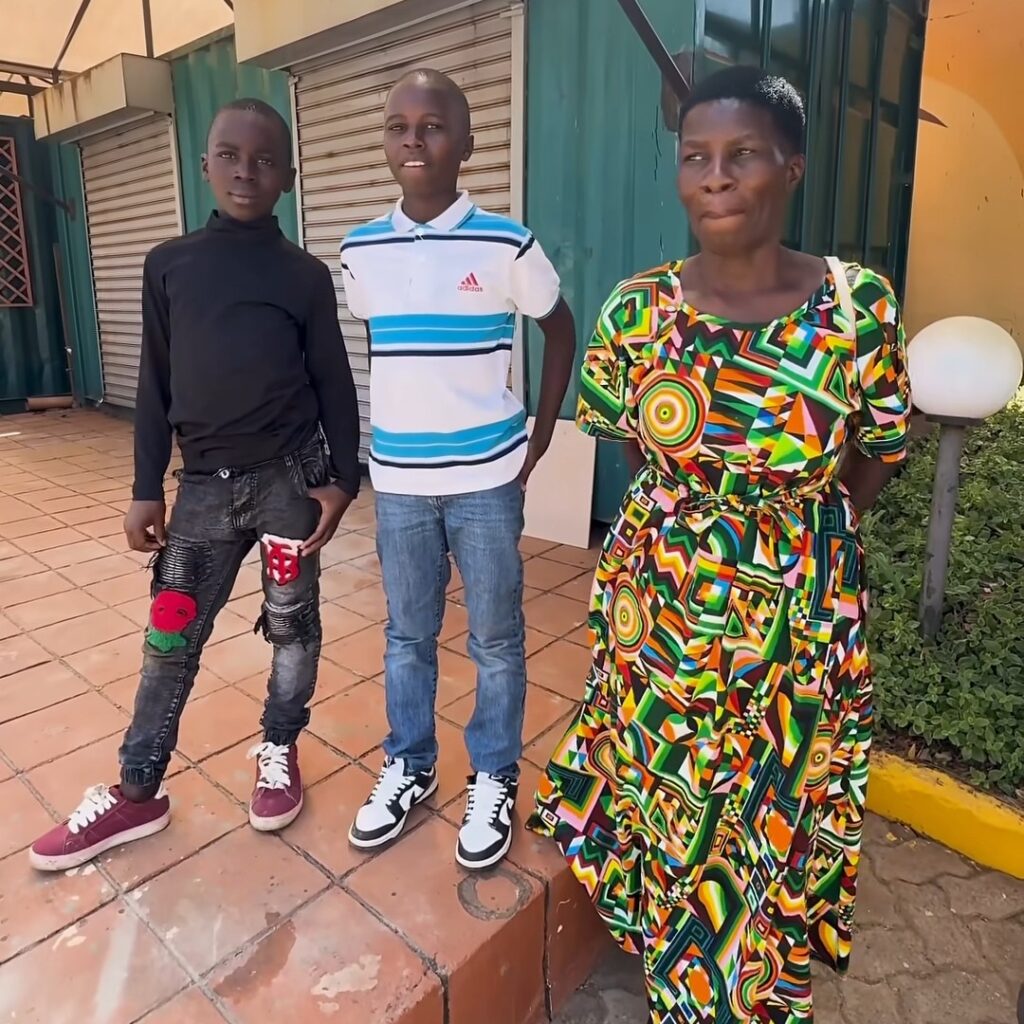
Enter Judith Makokha: The Woman Who Claims to Be His Mother
In late 2025, a video surfaced on social media that changed everything. A woman named Judith Makokha came forward claiming that she is Bahati’s biological mother. In the clip, she emotionally tells Bahati that she did not die as he was told and that she took him to a children’s home because she couldn’t financially support him and that she lied about her death so that he could have a better life.
In their physical meet up Judith asked for forgiveness and insisted she knew that he was her son as she could feel it her tummy just like when a mother is experiencing labour pain and that was proof to her because anytime she saw Bahati on TV and social media she would feel that pain.
She also stated she was prepared to undergo a DNA test to prove her claim once and for all. Her public plea quickly went viral, with Kenyans reacting with shock, skepticism, and empathy. But many online also said that there was some resemblance between them especially their noses.
Bahati’s Reaction: Confusion and Questions
Bahati’s response was marked by emotional conflict, confusion and uncertainty as he acknowledged his childhood memory of attending his mother’s burial more than 25 years ago. Despite his confusion, Bahati agreed to talk with Judith on the phone and agreed to meet in person to get clarity.
The Emotional First Meeting
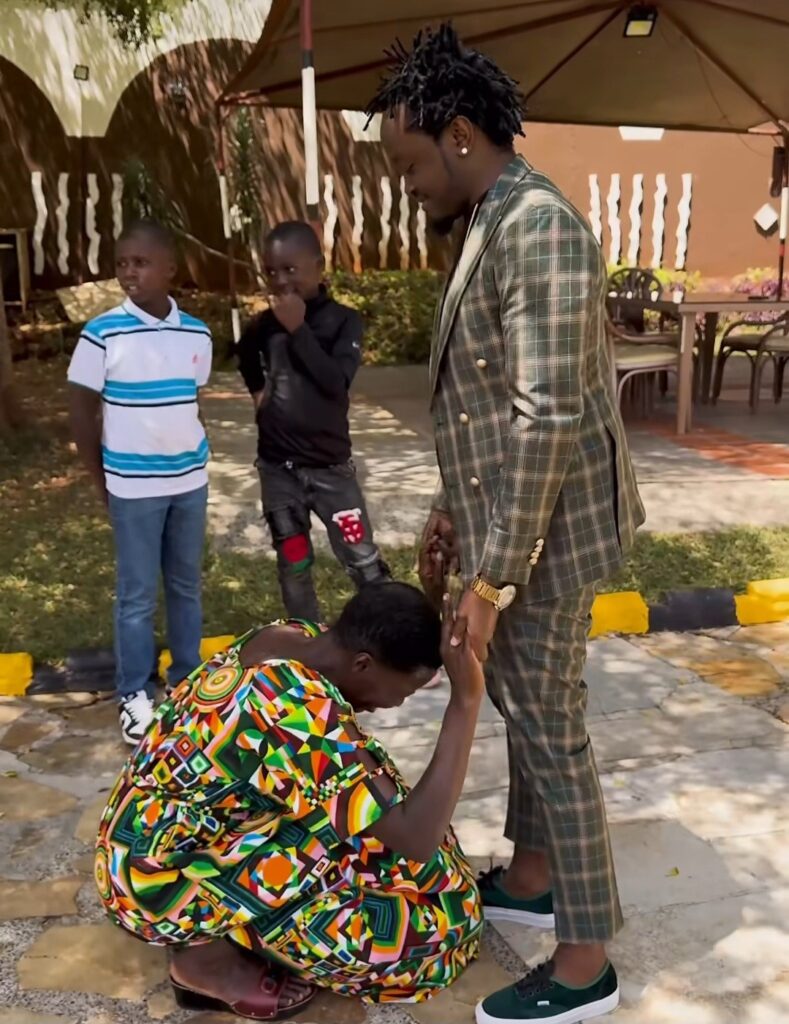
In February 2026, Bahati reached out to Judith as a result of the many calls and messages in his social media from his alleged mum. They finally met face-to-face in an emotional encounter at an undisclosed location arranged by Bahati and videos shared online by the artist showed Judith breaking down in tears, pleading for Bahati’s forgiveness. At one point, she even knelt before him in remorse, affirming her desire for reconciliation and affirmation and also blessed him.
Bahati later described the meeting in a separate video as emotional and said he was still left with more questions than answers, underscoring his conflicted feelings. He expressed his need for closure and went ahead to ask his fans whether he should consider a DNA test
Why the DNA Test Debate Matters
The possibility of a DNA test has now become central to this entire story; a DNA test could scientifically confirm or disprove Judith’s claim of being his mother and for Bahati, the test represents closure, truth, and potentially healing old wounds.
He has asked his fans for their views on whether he should proceed with the DNA test, showing his openness to both public engagement and personal clarity.
In Kenyan society — and indeed globally — DNA testing is seen as the most reliable scientific method to establish biological relationships when there’s uncertainty or dispute. Accepting such a test can be emotionally intense but also life-changing.
What’s Next for Bahati?
At the heart of this story is a man grappling with identity, memory, and truth; someone telling him that everything he believed about his past may not be accurate. A claim that challenges his most deeply held childhood memory — attending his own mother’s funeral. A crossroads where faith, science, and personal history collide.
Whether the DNA test happens or not, Bahati’s situation has captured the hearts and discussions of fans across Kenya and beyond — and it’s a reminder that even public figures experience deeply personal moments of doubt and discovery.
If you were in Bahati’s shoes — would you take the DNA test for clarity? Let us know in the comments