Kalonzo Musyoka challenges the government’s plan to sell Safaricom shares. Explore the economic, political, and public impact of the controversial deal.
When Kalonzo Musyoka moved to court to block the government’s plan to sell part of its stake in Safaricom, many dismissed it as routine opposition politics.
They’re wrong.
This is not just a legal dispute. It’s a high-stakes confrontation over who controls Kenya’s most valuable corporate asset and whether the country is quietly trading long-term wealth for short-term survival.
The Asset at the Center: More Than Just a Telecom
Safaricom is not your average company. It’s the most valuable company on the Nairobi Securities Exchange (NSE), with a market capitalization of approximately Ksh. 1.18 trillion as of early April 2026 and one of the most profitable firms in East Africa.
It’s the backbone of Kenya’s digital economy handling more than 80% of adult financial transactions via M-PESA processing over half of Kenya’s GDP, Safaricom sits at the heart of the economy. As the country’s leading telecom provider, it fuels digital commerce, supports MSME payments, expands data access through widespread 4G and 5G networks, and serves as vital national infrastructure.
For the government, its stake in Safaricom is not just ownership; it’s a steady stream of dividends and a lever of influence in a critical sector. For the year ending March 2025, Safaricom paid out about Ksh. 48 billion in dividends. Since the Kenyan government owns roughly 35% of the company, it received around Ksh. 16.8 billion from that payout.
So when the state considers selling even a portion of that stake, it raises a fundamental question:
Are we selling a national asset or slowly surrendering it?
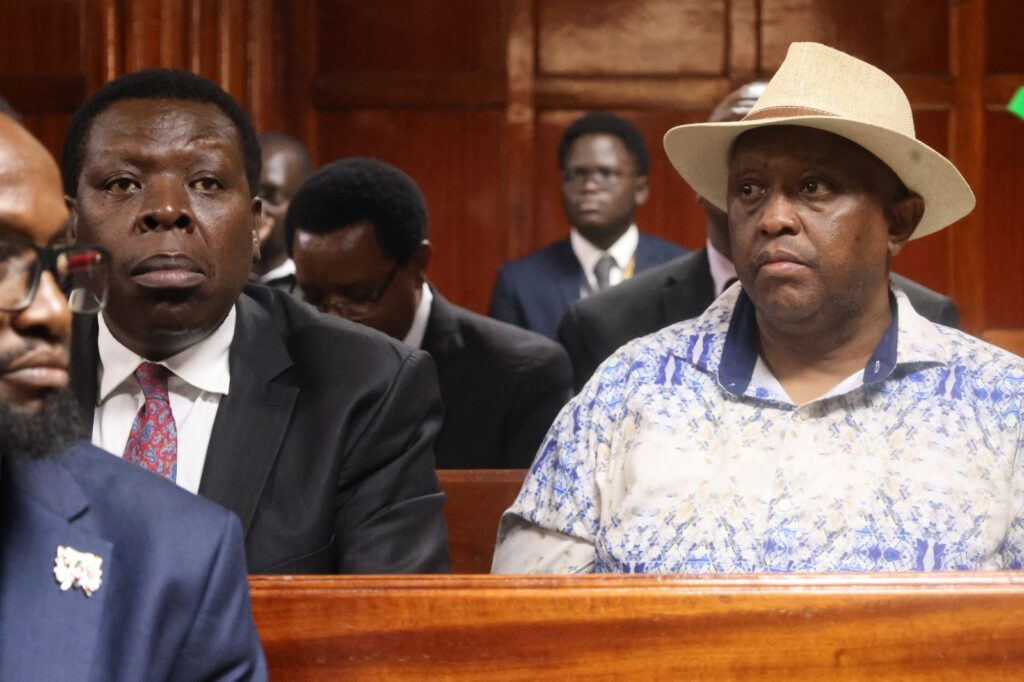
Why Kalonzo Is Pushing Back
Kalonzo’s case isn’t built on emotion it’s anchored in concerns that strike at the heart of public interest.
1. Selling the “Golden Goose”
Safaricom has consistently delivered profits. Offloading shares may bring in quick cash, but it also means losing reliable long-term income.
2. Transparency Concerns
Big deals involving public assets demand scrutiny. Critics argue that Kenyans have not been fully brought into the conversation: Was the valuation fair? Who benefits most from the sale and what safeguards exist?
Without clear answers, suspicion grows.
3. Risk of Undervaluation
History has shown that state assets are often sold under pressure and sometimes below their true worth. If that happens here, taxpayers lose while buyers win.
4. Strategic and Security Implications
Telecommunications isn’t just business; it’s infrastructure. Reduced government control in a company like Safaricom could have ripple effects on:
Data governance:
Safaricom sits on vast amounts of sensitive data from financial transactions to communication patterns. With less government influence, decisions about where that data is stored, who can access it, and how it’s protected could shift. That raises a critical question: who ultimately safeguards Kenyan data?
Economic independence:
Safaricom is a major revenue engine. When the government reduces its stake, it also reduces its share of future profits. Over time, that means less public income and more reliance on external funding or taxes. In simple terms, Kenya earns less from its own assets and may depend more on others.
National security:
Telecommunications networks are not just for calls and internet they are part of a country’s strategic infrastructure. Control over such systems can influence everything from emergency response to intelligence flow. If key decisions move further from state control, it could create vulnerabilities in how the country manages crises or protects critical systems.
Put together, it’s not just about selling shares it’s about who holds the levers behind data, money, and security in the long run.
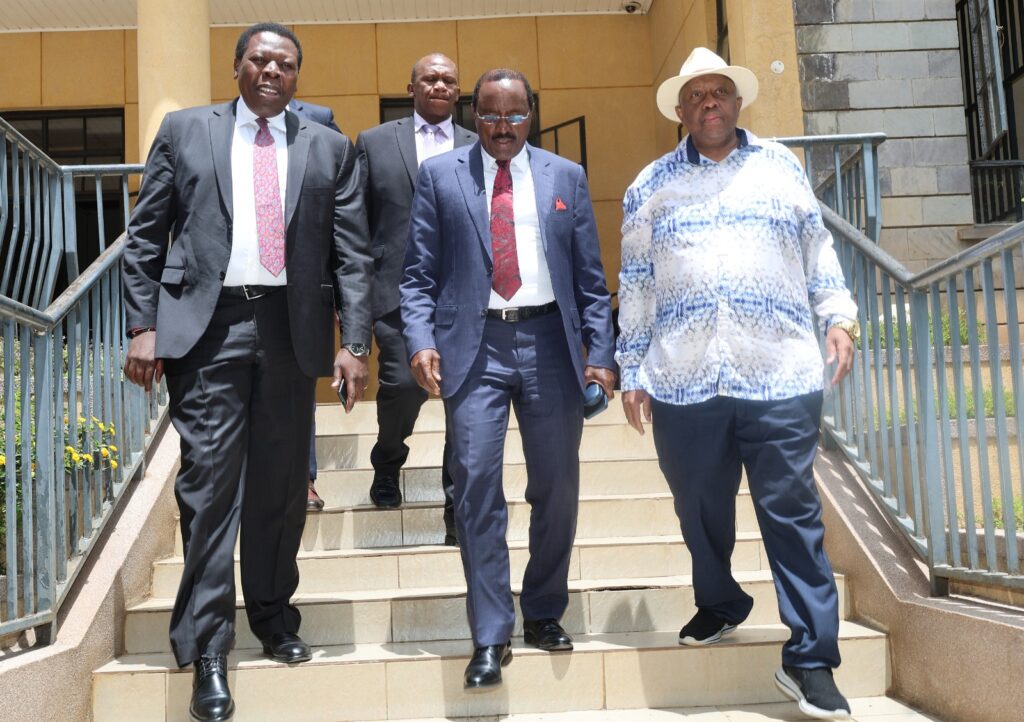
The Government’s Argument: Cash Now, Development Later
The state, however, sees things differently. Selling part of its Safaricom stake is viewed as a way to raise billions in immediate revenue to fund infrastructure and development projects and reduce fiscal pressure without increasing taxes.
From this perspective, the move is not reckless it’s pragmatic.
But here’s the uncomfortable truth:
Quick money today often comes at a hidden cost tomorrow.
The Bigger Debate: A Pattern in the Making?
This isn’t just about one company. If the Safaricom sale goes through, it could set a precedent: More state-owned assets could be put on the table. Kenya could shift from ownership to dependency and public wealth could gradually move into private hands.
And once sold, these assets are rarely recovered.
What Ordinary Kenyans Stand to Lose (or Gain)
This case may feel distant, but its impact is deeply personal.
If the Sale Happens:
- The government earns immediate revenue
- Future dividend income declines
- Control over a key sector weakens
If the Sale Is Blocked:
- Long-term public earnings remain intact
- Government retains influence
- Pressure shifts to finding alternative revenue sources
Either way, the outcome will shape how Kenya manages its wealth for decades.
The Real Question No One Is Asking Loud Enough
This case forces a national conversation that goes beyond politics:
Should a country sell its most profitable assets to solve short-term financial problems?
Or more bluntly:
Are we fixing the economy or quietly dismantling it piece by piece?
Final Thought: More Than a Court Case
What Kalonzo Musyoka has done is escalate the issue from a policy decision to a national debate.
And regardless of how the court rules, one thing is now unavoidable:
Kenyans must decide what they value more, immediate relief or long-term control of their economic future.
FAQ
Why is Kalonzo opposing the Safaricom share sale?
He argues it risks public wealth, lacks transparency, and could reduce government control over a strategic asset.
How much stake does the government have in Safaricom?
The Kenyan government holds a significant minority stake, making it a key beneficiary of dividends.
What happens if the shares are sold?
The government gets immediate cash but loses future earnings and influence.